
Hudson, Maine · Year round
ForestManagement
Professional forestry for Maine landowners: management planning, forest inventory, digital mapping and harvest supervision, led by a licensed forester and available year round.
Forestry services continue year-round
Recognition
Austin Cary Practicing Professional Award
New England Society of American Foresters, 2017, to R. Kirby Ellis.
Professional forestry
A woodlot is worthmeasuring first.
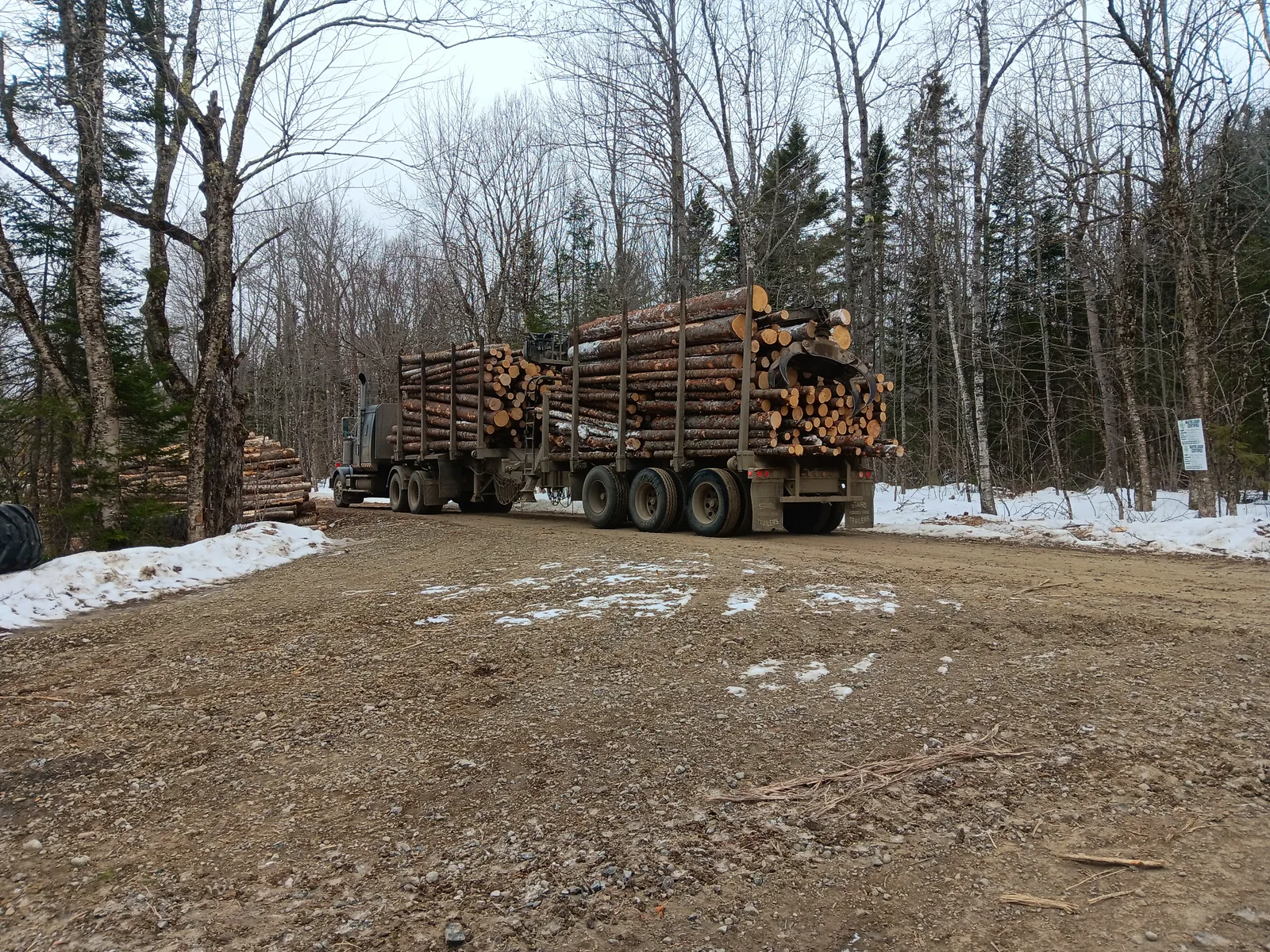
Ellis Forestry Service has worked with landowners around Hudson since 1989. Kirby Ellis is a Licensed Forester, and the work runs year round, through the months when the greenhouse is closed.
Most people who call are somewhere in the same position. They own woodland, something has prompted a decision, and the information they would need to make it well is not written down anywhere. The job is to put that information together first, then talk about what to do.
- Recognition
- Austin Cary Practicing Professional AwardNew England Society of American Foresters, 2017, to R. Kirby Ellis.
- What it is for
- The award recognizes New England SAF members who have shown exceptional achievement as practicing forest managers. Austin Cary (1865–1936) introduced northern landowners to forest sampling, growth estimation and simple silvicultural techniques, and his 1909 Woodsman's Manual was still in use as a textbook into the 1960s.
What Ellis does for landowners
01 / Inventory
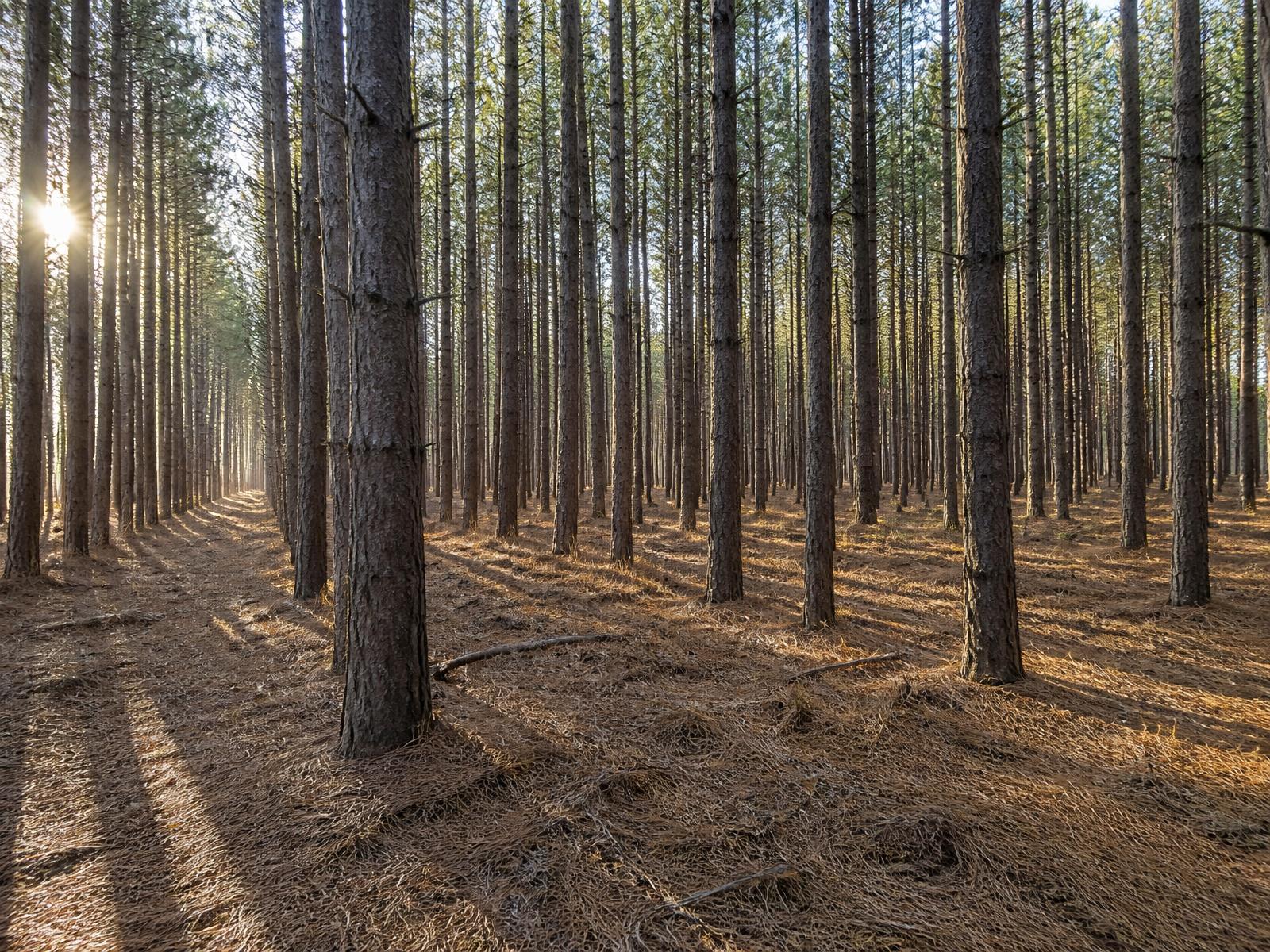
What is actually standing on the property.
An inventory estimates the volume and the value of the trees in a woodlot. It is the measurement everything else rests on, and most decisions a landowner is weighing turn out to be easier once it exists.
Landowners ask for one ahead of a management plan, ahead of a timber sale, ahead of buying or selling a property, or simply to find out whether a stand has grown past maturity or is carrying more trees than it can support.
- Estimated volume and value
- Stand composition and stocking
- Multi-page estimates by diameter class and species, with accuracy statistics
- Or a single-page summary, where that is all the decision needs
02 / Mapping
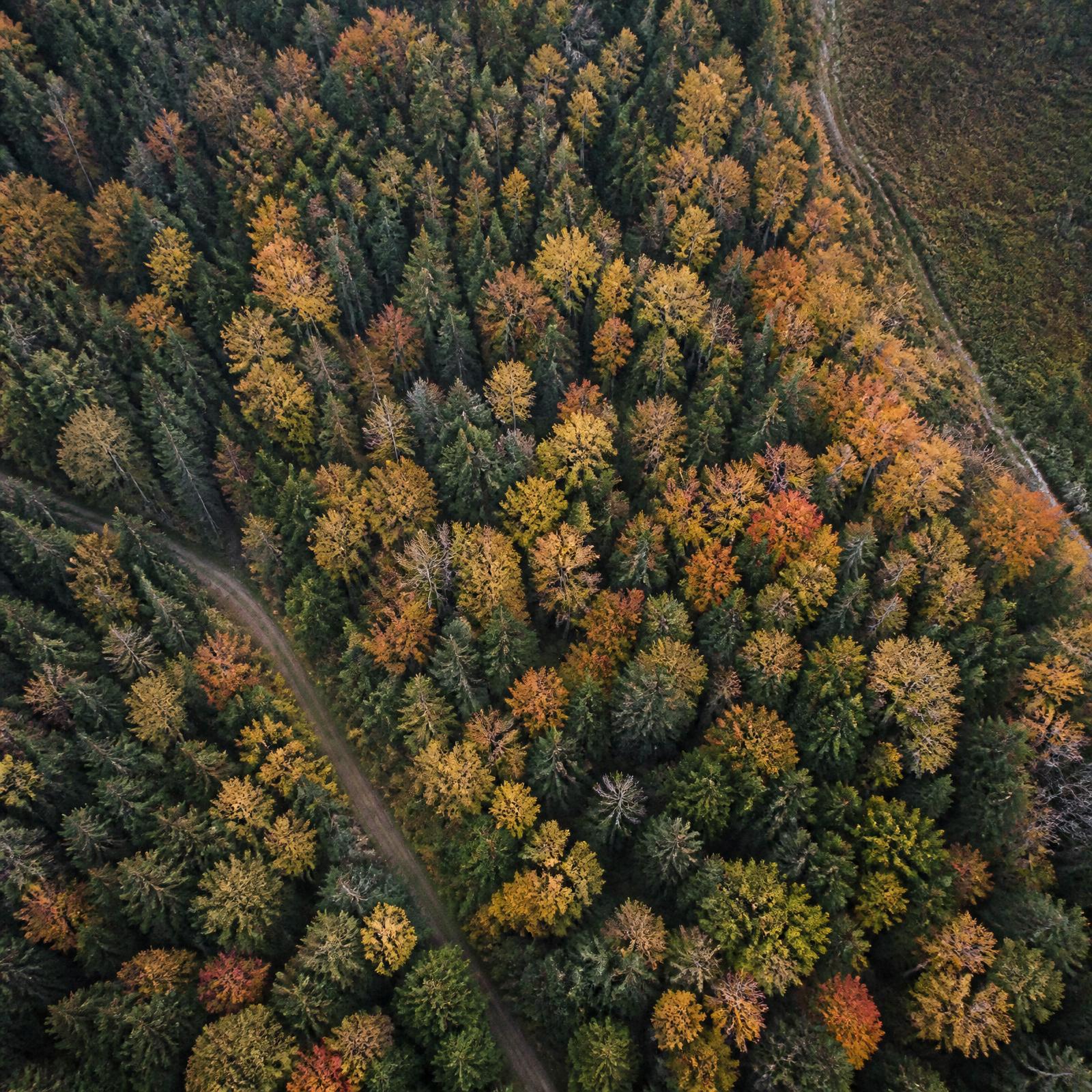
The woodlot drawn accurately enough to work from.
Ellis produces digital maps using remote sensing, aerial photography, GPS and digitizing. The output is the practical kind: timber type overlays, boundary maps and timber type maps that a landowner, a forester and a logging crew can all read the same way.
A map turns a description of a property into something you can point at. Where one stand ends and the next begins, where the line runs, what is where.
- Remote sensing and aerial photography
- GPS and digitizing
- Timber type overlays and timber type maps
- Boundary maps for forestry use
03 / Management Plans

What the landowner wants, written down as a course of action.
A plan is built around the landowner's objectives first, then balanced against the condition of the stands and the requirements attached to the land or the program it sits in. Plans are commonly needed for Tree Growth or Tree Farm enrolment, or to access funding such as WoodsWISE.
The useful plan is specific enough to dictate good silviculture and broad enough to leave the landowner room to act on it in their own time.
- Written to landowner objectives
- Built on a forest inventory
- Program and land-use requirements accounted for
- Recommended activities, including whether a harvest is called for
04 / Harvest Supervision
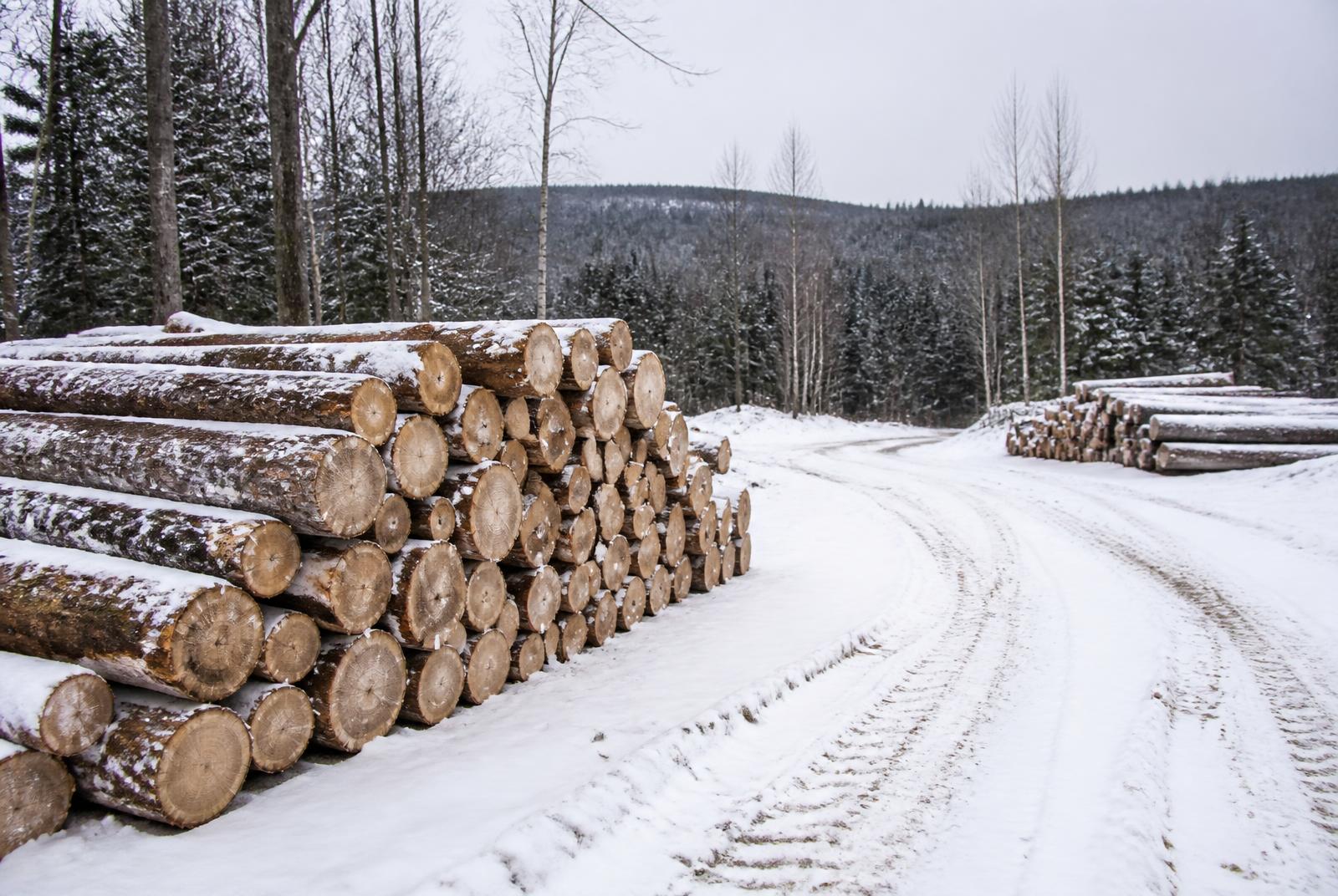
The plan carried out, with somebody on the landowner's side.
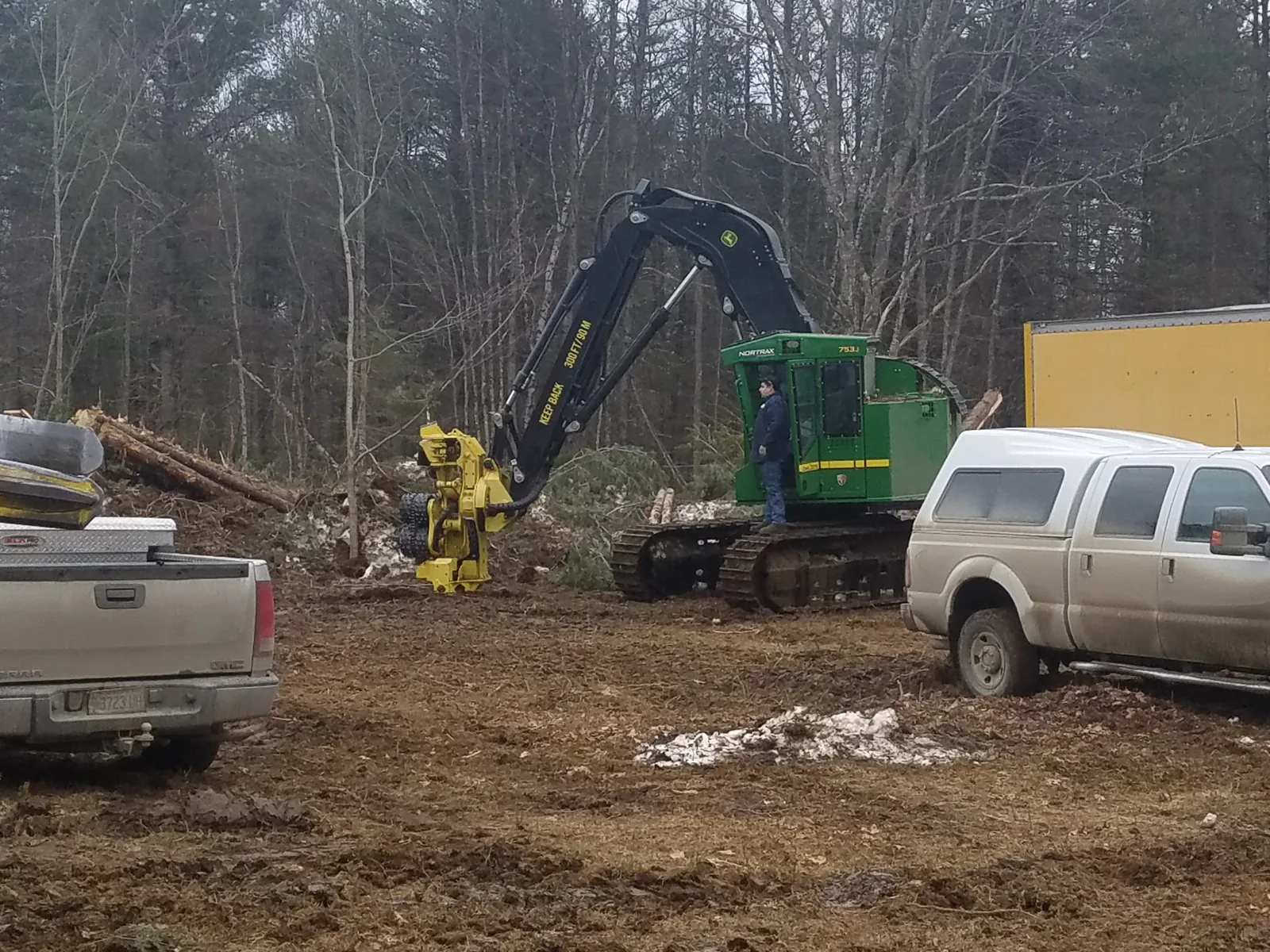
A harvest is a primary management tool. It is used, among other things, to improve existing stands, regenerate a stagnant forest, deal with insect problems, take out poorly formed trees, and remove mature timber.
Ellis supervises harvest activity with wood utilization and the landowner's return from the woodlot in view, and recommends the type of harvest that suits the stands actually on the property rather than the one that suits the equipment.
- Harvest type matched to the stand
- Certified Logging Professional and Master Logger certified operators
- Federal and state water quality law and Maine Forest Practices Act standards
- Equipment mix chosen for the job
Management plans
A plan startswith the owner.
Before anything is recommended, the question is what the landowner wants from the property. Income at some point. Wildlife. Firewood. A place that stays walkable. Enrolment in Tree Growth or Tree Farm. Access to funding such as WoodsWISE. Those answers set the direction.
From there the plan balances three things: what the owner wants, what the stands and the ground can actually support, and the requirements attached to the land or the program it is enrolled in. Written well, it is specific enough to dictate good silviculture and broad enough to leave the owner latitude in how and when it is carried out.
Cost depends on the woodlot, stocking, access, use and value all move it. Call and describe the property and Ellis will tell you what a plan for it involves.
Hudson, Maine 04449
Come see whatis ready this week.
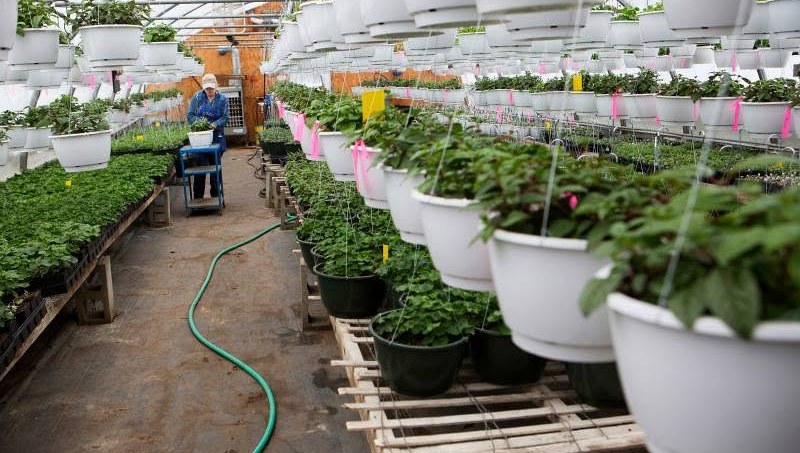
218 Old Town Rd, Hudson, Maine 04449. Greenhouse is open mid-April through mid-June, monday - saturday 9am - 5pm, sunday 10am - 4pm.